
Vegetation
Reduce overgrowth and thatch
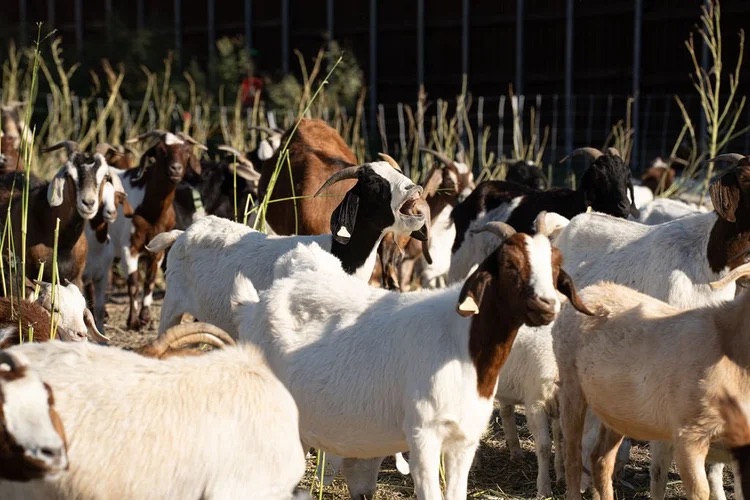
Goats browsed woody and dense vegetation while sheep grazed grasses and lower-growing plants.

Northaven TAILS 2025 Archive
In October 2025, 450 locally owned goats and sheep grazed pollinator areas along the Northaven Trail, preparing the ground for native wildflowers and turning habitat restoration into a community experience.
The live flock tracker and estimated schedule have been retired. For the active map, schedule, visit guidance, and donation campaign, use the current TAILS homepage.
About the inaugural project
Every spring and summer, the Northaven Trail bursts into color with native wildflowers. Getting those blooms to grow requires clearing dense thatch, loosening the soil, and giving seed a chance to settle. In 2025, Friends of Northaven Trail did that work with goats and sheep.
Northaven TAILS launched as a joyful, sustainable pilot using managed grazing in designated no-mow areas instead of relying only on mowers or herbicides. The flock helped prepare the ground for native reseeding while building healthy soil and making restoration visible to more than 30,000 monthly trail users.
Vegetation
Goats browsed woody and dense vegetation while sheep grazed grasses and lower-growing plants.
Soil
Hooves disturbed the surface and pressed seed toward the soil while manure returned nutrients naturally.
Community
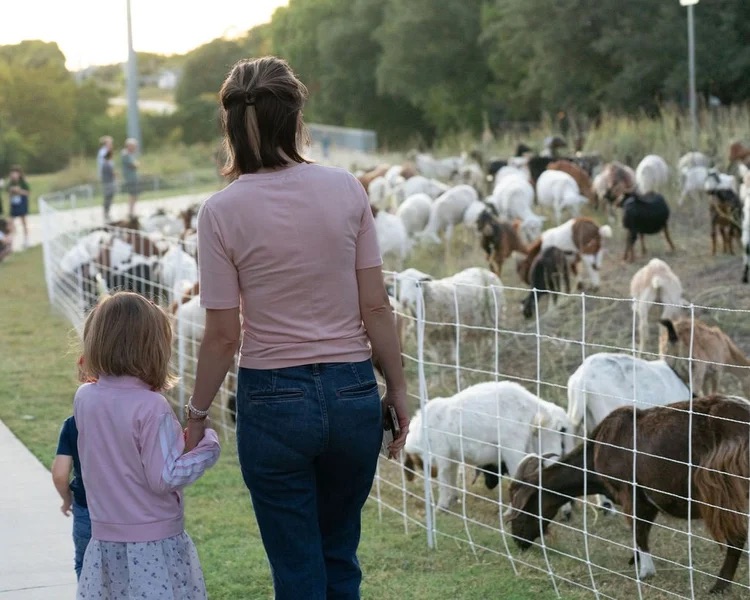
The flock brought neighbors, families, runners, and cyclists together around visible habitat work.
Explore the 29 no-mow zones the flock grazed between US-75 and Webb Chapel. Use the map options to trace the route the herd traveled during the season.
Map Options
The 2025 grazing map: the 29 no-mow zones the flock prepared for wildflowers. Turn on “Show herd history” to trace the route the herd traveled.
Give to the Graze
Donations covered professional herding, temporary fencing, signs, and project logistics. Supporters first met the $20,000 launch target and then carried the campaign past its $30,000 stretch goal.
The final archived total was recorded on December 3, 2025.
Final campaign result
Thank you to everyone who supported the inaugural Northaven TAILS season.
Visitors were invited to enjoy the flock while giving the animals, fencing, and herders room to work safely.
The mixed flock was selected to combine different grazing strengths, with professional herders caring for the animals and managing each move.
Sheep
Hair sheep that grazed grasses and low-growing vegetation, complementing the goats' browsing patterns.
Goats
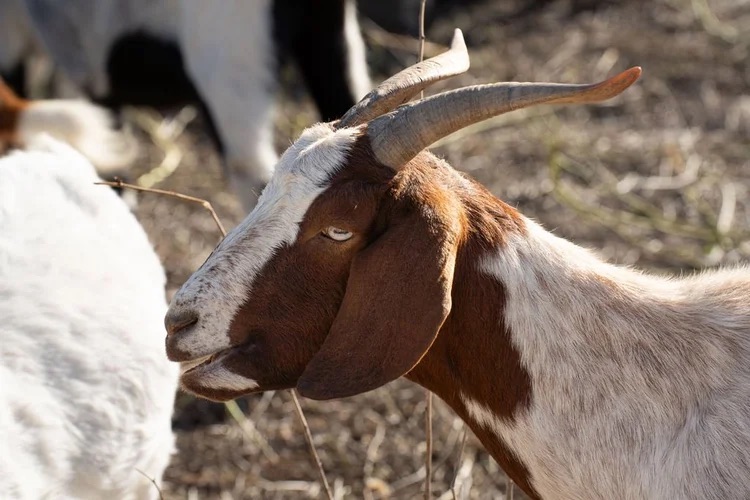
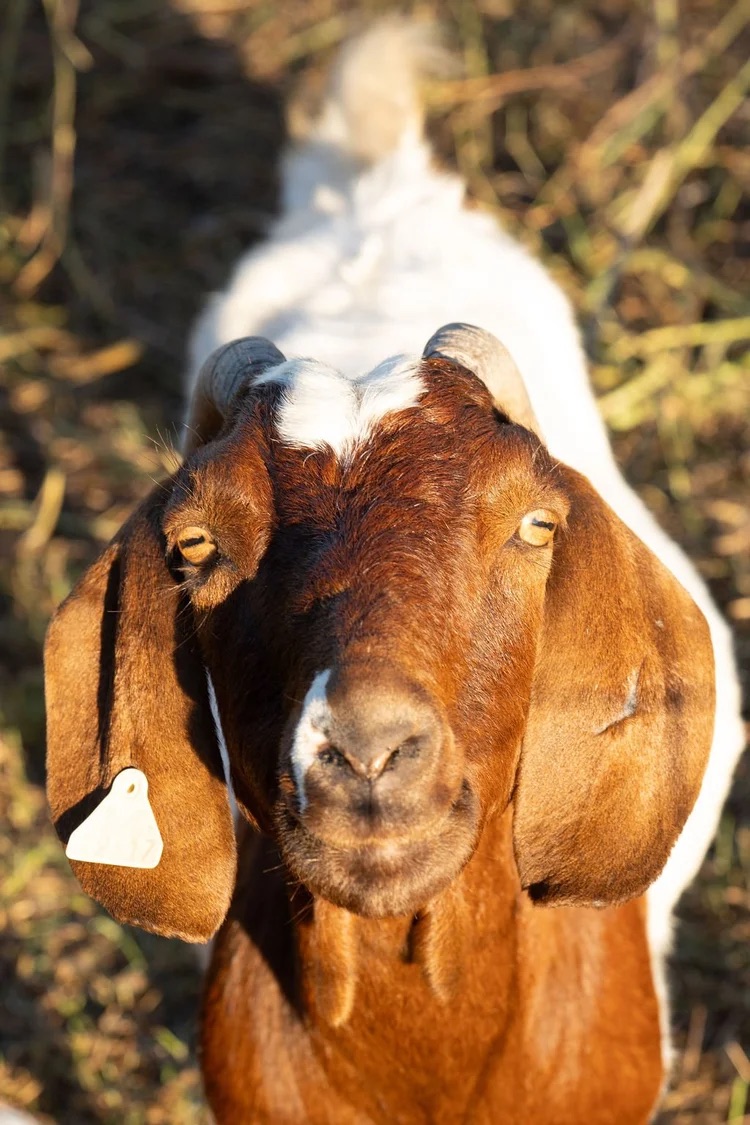
Hardy, strong-appetite breeds suited to thick brush, woody plants, and substantial areas of vegetation.
Goats
Agile climbers able to browse uneven or difficult terrain within the designated areas.
The herding team monitored health and nutrition, identified unsafe plants, decided when an area had been fully grazed, and stayed ahead of the flock by preparing fencing and the next restoration area.
Photographs by Northaven Trail user and photographer Carol Vig.
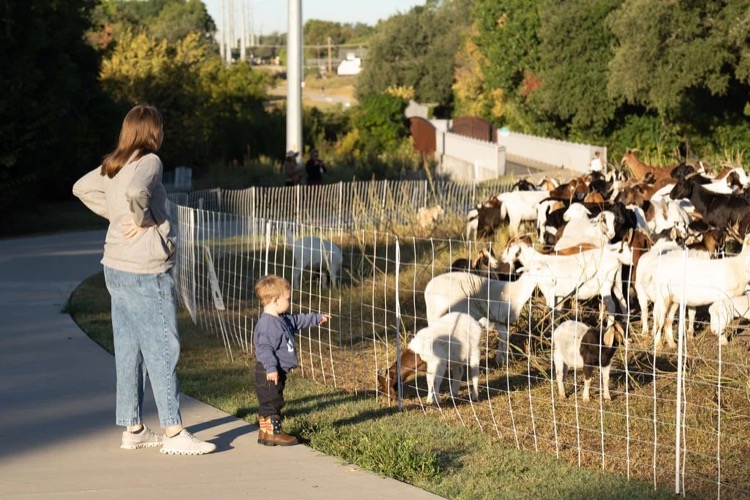
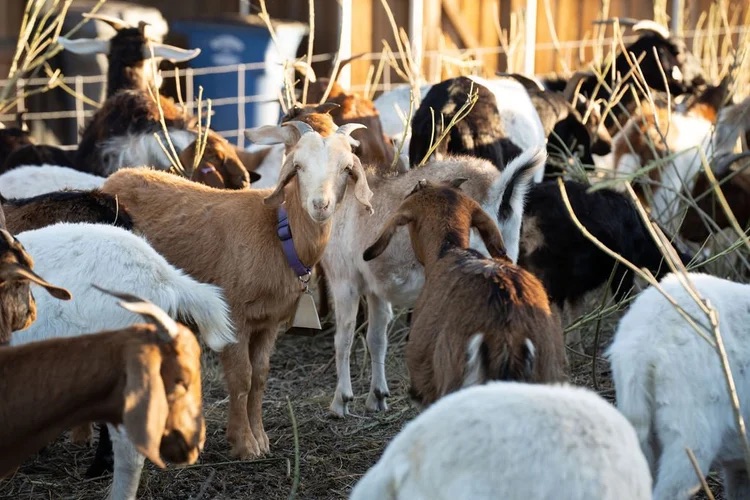
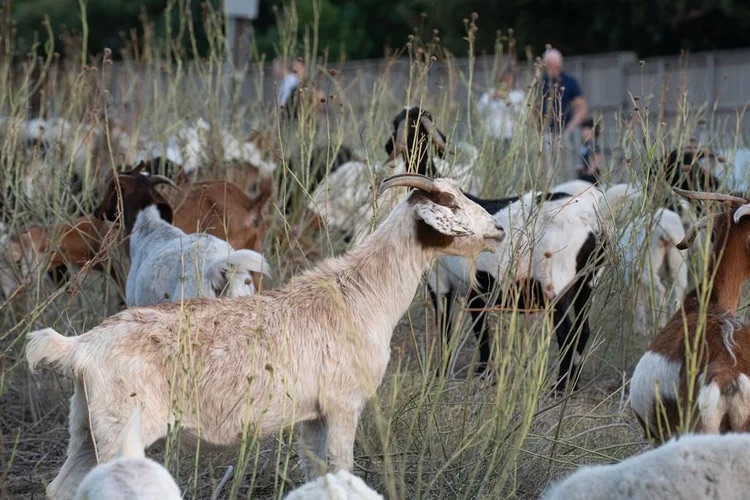
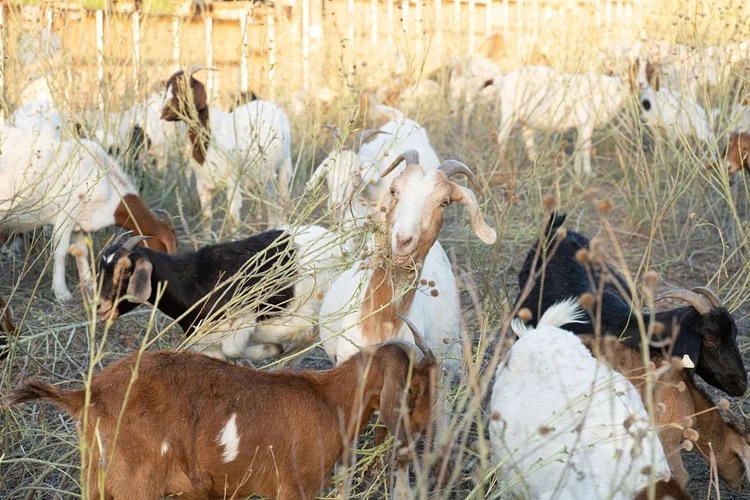
Drone footage by Northaven Trail user and videographer David Morgan.
The inaugural flock drew coverage from television, newspapers, magazines, and local arts and culture media.
 WFAA Channel 8
Goats and sheep graze the Northaven Trail to support wildflowers
WFAA Channel 8
Goats and sheep graze the Northaven Trail to support wildflowers
 Preston Hollow People
Close Encounters of the Goat Kind
Preston Hollow People
Close Encounters of the Goat Kind
 Dallas Observer
Yep, Those Are Goats Grazing Along Northaven Trail
Dallas Observer
Yep, Those Are Goats Grazing Along Northaven Trail
 Preston Hollow Advocate
1,600 Hooves: The Friends of the Northaven Trail Are on a No-Mow Mission
Preston Hollow People Magazine
November 2025 issue
Preston Hollow Advocate
1,600 Hooves: The Friends of the Northaven Trail Are on a No-Mow Mission
Preston Hollow People Magazine
November 2025 issue
These answers preserve the operating details and visitor guidance from the inaugural season.
Every fall, Friends of Northaven Trail reseeds the no-mow pollinator areas with native wildflowers. In 2025, goats and sheep replaced machines for much of the preparation work, naturally grazing overgrowth, reducing thatch, and fertilizing the soil.
They graze vegetation that can block light and trap seeds in a thick thatch layer. Their hooves help press seed into the soil, and their manure returns nutrients to the ground.
The flock rotated through 29 no-mow areas between US-75 and Webb Chapel during October 2025. The original page included a live tracker and estimated schedule while the season was active.
The professional grazing team managed a mixed flock of approximately 450 goats and sheep. Experienced herders monitored the animals, fencing, nutrition, movement, and behavior around the clock.
No. Secure temporary fencing kept the animals within designated no-mow areas. They entered the trail only briefly while moving between grazing zones under the direction of the herders.
The project supported local biodiversity, reduced reliance on gas-powered mowing, supported North Texas ranchers, and gave the community an engaging way to learn about sustainable land care.
Grazing areas stayed away from private fences and residential yards. The flock did not graze early in the morning or late at night, and the project team provided contact information at each active area.
Yes. Visitors were encouraged to observe from the trail while keeping a safe distance. The flock was protected by secure fencing, and dogs were required to remain leashed and away from grazing areas.
Donations helped pay for herding, fencing, signs, and logistics. The Give to the Graze campaign surpassed its original $20,000 target and its $30,000 stretch goal, raising $34,915 by December 3, 2025.
During the active season, the goats and sheep generally grazed from 7 a.m. to 7 p.m. The live tracker paused outside normal grazing hours so the herd could rest.
Timing depended on vegetation and weather. A herd can cover roughly 1.5 to 6 acres in a day, so the published schedule remained an estimate throughout the rotation.
Yes. The project team coordinated school and group visits around herd location, timing, and on-site conditions.
Yes. Because of the scale of the project, goats and sheep came from several ranchers in the North Texas region.
The large herd itself was a deterrent. Mesh electric fencing helped keep coyotes and stray dogs out, and experienced herders watched over the animals at all times.
The trail remained open. Short pauses were sometimes needed while the flock moved between no-mow areas, and visitors followed the directions of the on-site herders during those transitions.
Escapes were extremely rare because the flock was monitored around the clock and enclosed behind mesh electric fencing. The herding team was prepared to respond immediately.
The temporary mesh fence used a low-voltage charge to discourage animals and predators from crossing it. Visitors were asked not to touch the fence and to keep children and dogs away from it.
It became part of the restoration process. The manure provided a low-impact, biodegradable source of nutrients that naturally broke down into the soil.
The original 2025 page included a Live Flock Finder showing the current herd location and estimated dates for upcoming grazing areas. That live tracker has been retired; the current season map is available from the main TAILS site.